The refrigerant transition is a technical and regulatory shift affecting new equipment architecture, components, tools and service practices — not a sudden prohibition on the systems already installed.
What is an A2L refrigerant?
A2L is a safety classification, not a brand or a single product. It describes refrigerants with lower toxicity and a mild degree of flammability under the classification criteria used by the industry. R-32 and R-454B fall into this class in their applicable use conditions. Mildly flammable does not mean unsafe: it means the equipment, components, installation practices and service procedures are designed around that property.
Why is the industry changing?
The shift is driven by the phase-down of high global warming potential HFCs and the U.S. Environmental Protection Agency's Technology Transitions rules, which set requirements for the refrigerants used in newly manufactured and newly installed systems in specified sectors. The direction is toward lower-GWP alternatives in new equipment.
R-410A, R-32 and R-454B
R-410A: the incumbent A1 (non-flammable) blend used across a generation of installed equipment, with a comparatively high global warming potential.
R-32: a single-component A2L refrigerant with substantially lower GWP than R-410A.
R-454B: an A2L blend also positioned as a lower-GWP replacement in new equipment platforms.
Important clarification: R-410A is not categorically banned, and existing R-410A equipment does not suddenly become illegal. EPA states that R-410A components can continue to be manufactured and imported for servicing existing equipment when appropriately labeled; after the applicable new-system compliance deadline, those components may not be used to install a new R-410A system.
What is changing in new equipment?
New platforms are engineered specifically for A2L operation: charge-related design decisions, component selection, electrical and control architecture, leak detection and mitigation features where required, and labelling. Refrigerant-specific components and accessories are matched to the equipment; parts are not interchangeable simply because fittings appear compatible.
What changes for technicians?
Training and certification appropriate to A2L equipment, per employer, manufacturer and jurisdictional requirements.
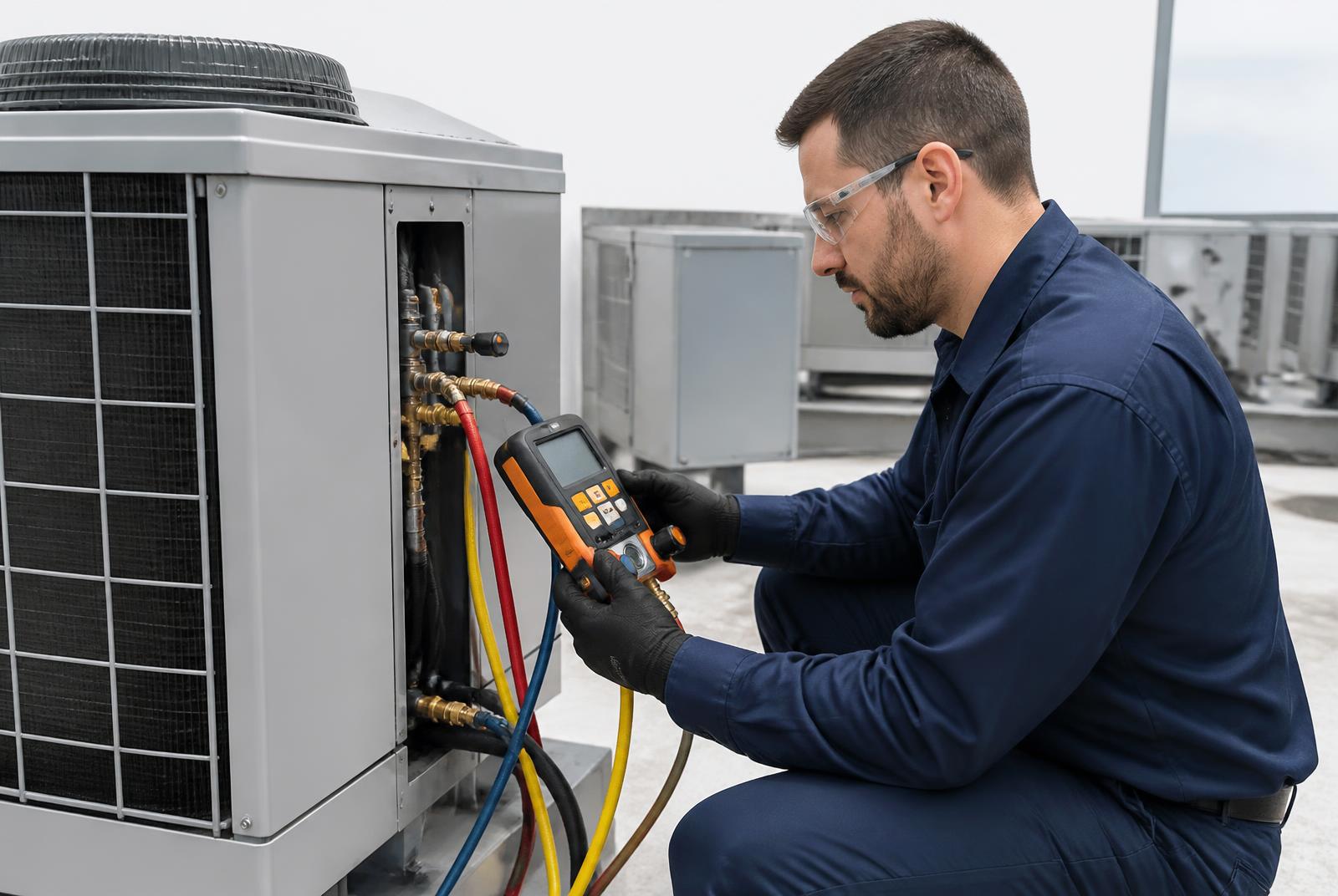
Tools and instruments rated for A2L service, including recovery equipment, hoses, vacuum pumps and leak detection.
Storage, transport and handling practices aligned with the safety classification and local codes.
Correct identification of the refrigerant in a system before any service intervention; no mixing or substitution.
What distributors and contractors should prepare for
Two product realities will run in parallel for years: new A2L equipment platforms, and a large installed base of existing systems that continues to require legitimate service. Commercial preparation means clear technical communication with customers, correct component matching, tooling readiness, and accurate messaging that separates new-system requirements from the servicing of equipment already in the field.