
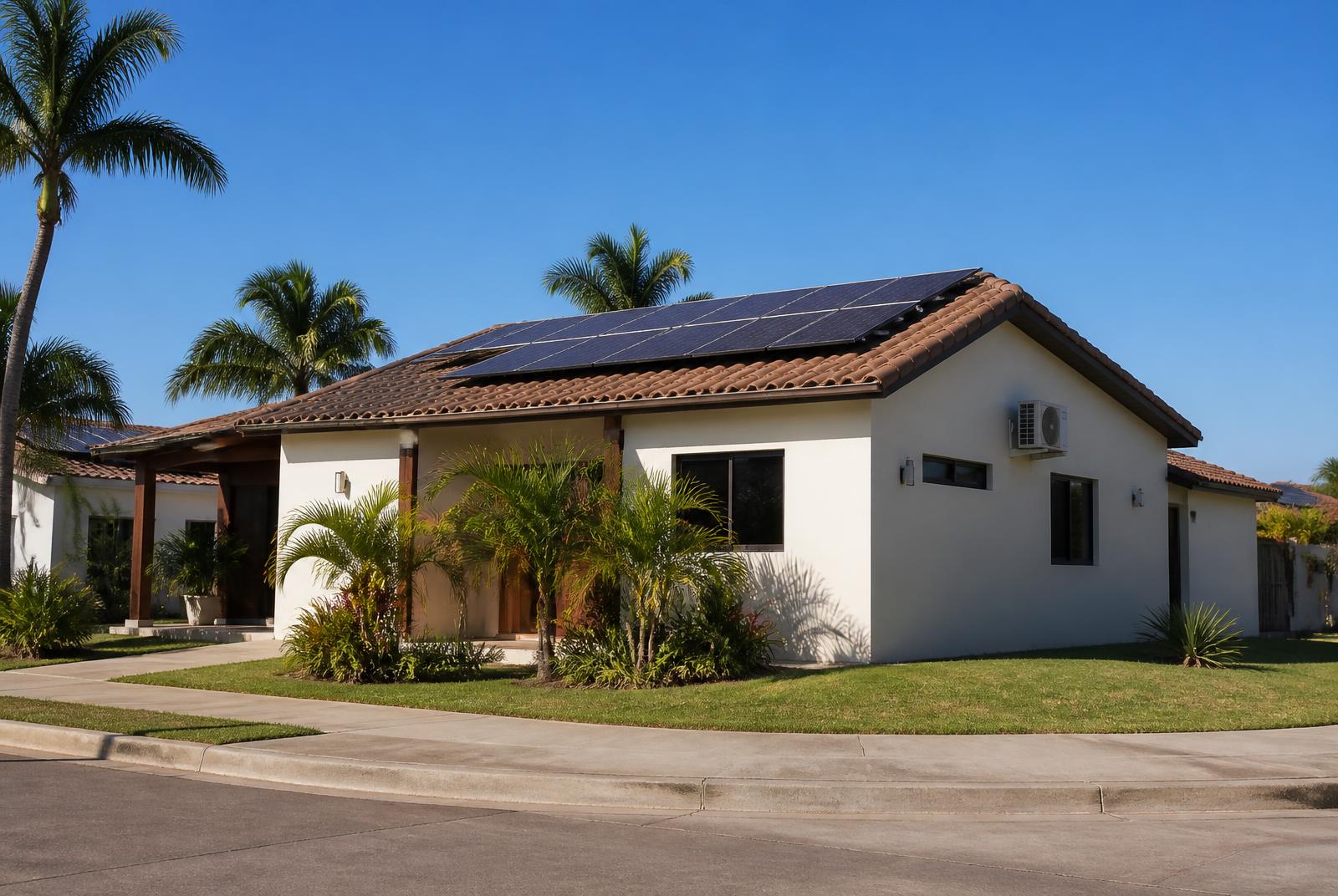
Solar Hybrid Air Conditioning
Solar-powered cooling. Conventional power when needed.
What this solution is
Solar Hybrid Air Conditioning introduces a different approach to cooling by integrating photovoltaic energy directly into the air-conditioning power architecture while maintaining conventional AC power as an available source when operating conditions require it.
Designed for markets where strong solar resources and significant cooling demand often occur at the same time, the technology creates a practical connection between solar generation and everyday air-conditioning requirements.
What the category includes
Indoor unit
Indoor equipment presented within the solar hybrid configuration.
Outdoor unit
Outdoor condensing equipment for the hybrid system.
Photovoltaic input
Solar panel input as part of the hybrid supply configuration.
Commercial evaluation
Requirement review for commercial and distribution interest.
Why Solar Hybrid A/C?
In many warm-climate markets, significant cooling demand occurs during the same daytime hours when solar resources are strongest. Solar Hybrid A/C is designed around that natural overlap — allowing available photovoltaic energy to contribute directly to cooling while conventional electrical power remains available when required.
This creates a flexible approach for customers evaluating how solar resources can become part of their air-conditioning strategy without making the cooling application dependent solely on solar availability.
Key concepts
Direct solar PV input
Compatible photovoltaic panels can provide DC energy directly to the Solar Hybrid A/C system during available solar conditions.
Hybrid power operation
Solar energy and conventional AC power operate within the system architecture to support cooling requirements as conditions change.
No battery-dependent daytime architecture
The standard operating concept does not depend on a battery bank for direct daytime solar contribution.
Cooling-centered energy integration
Rather than treating solar generation and air conditioning as unrelated systems, the architecture connects available solar energy directly with the cooling application.
How the concept works
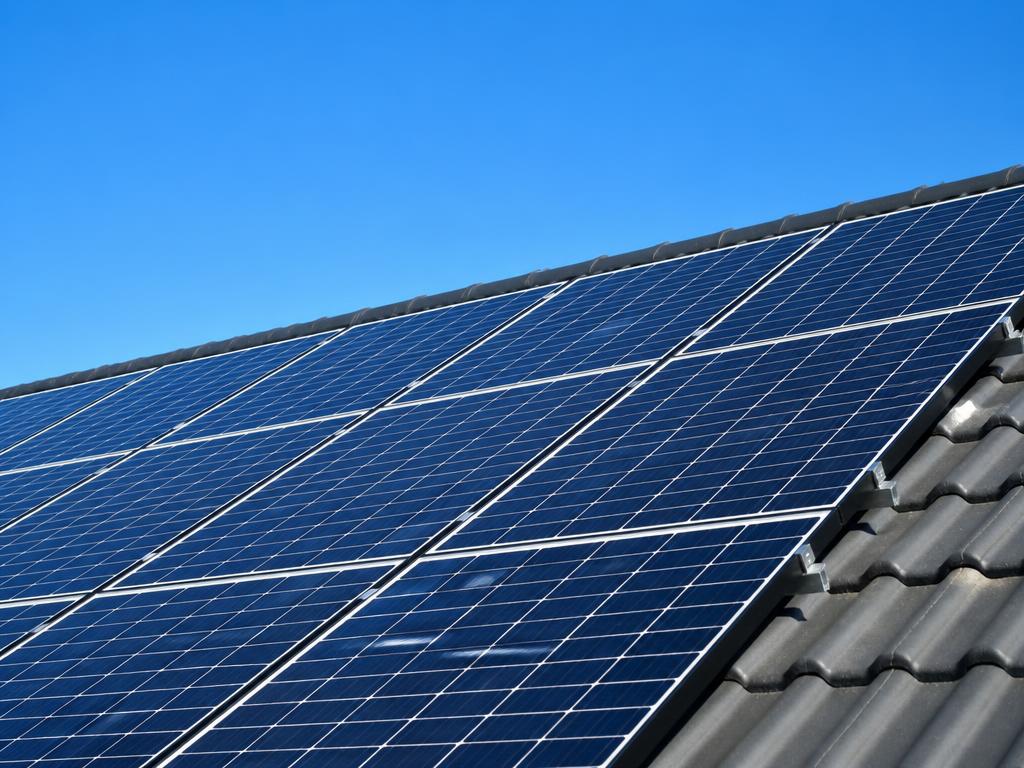

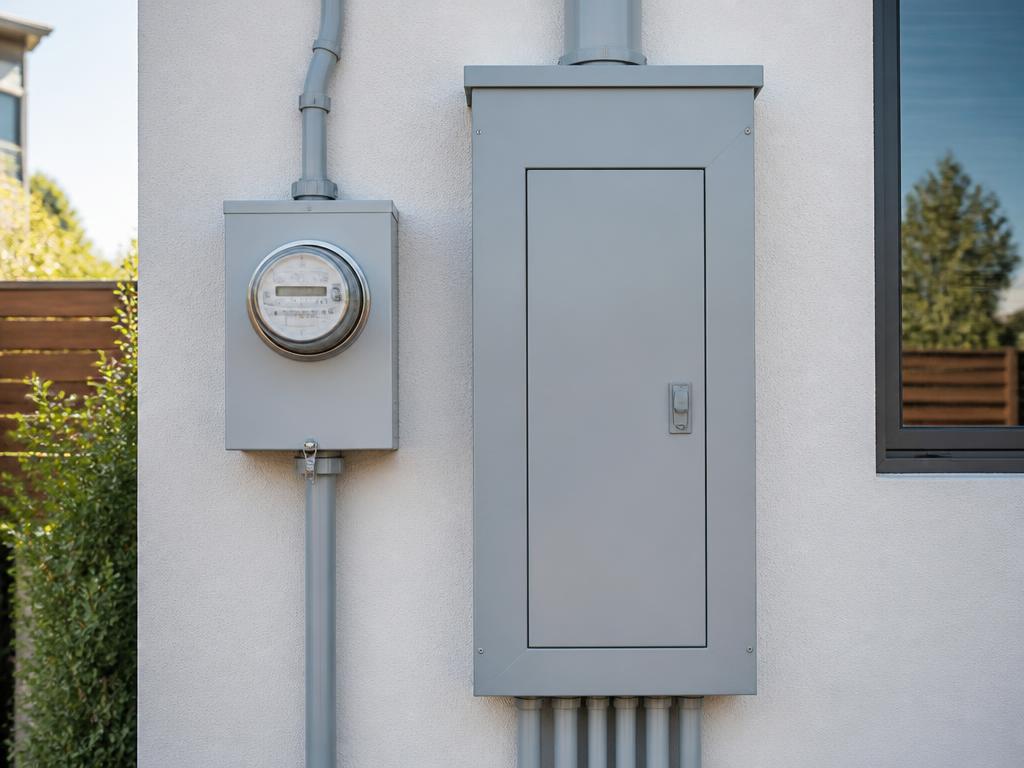
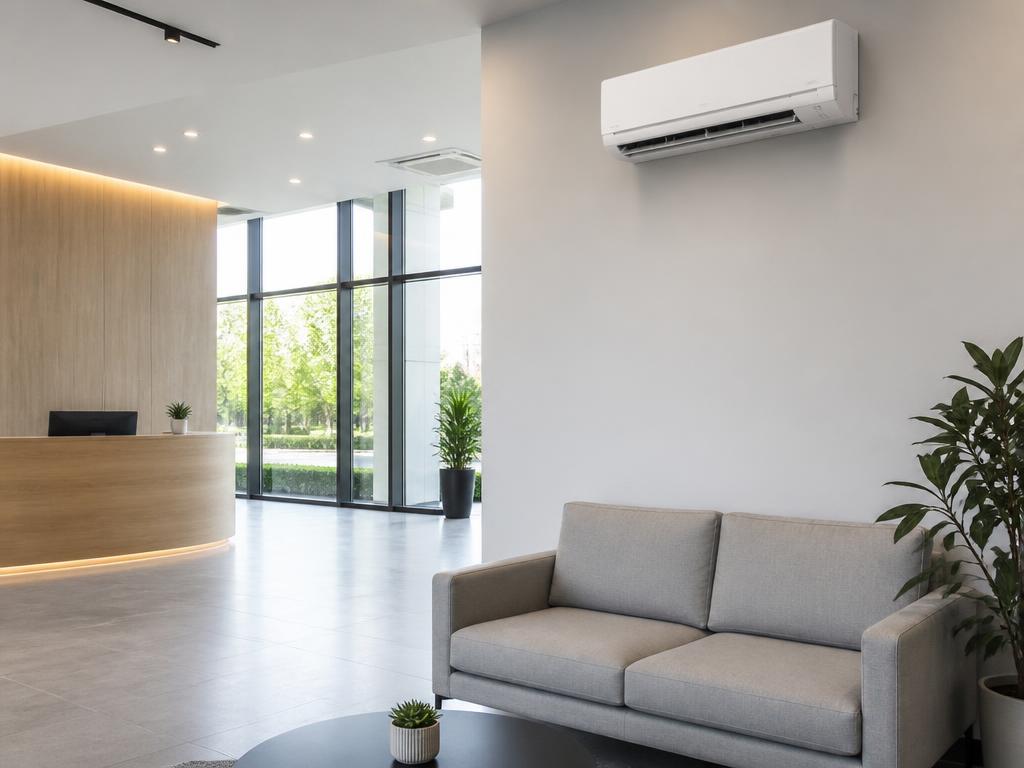
When solar energy is available, photovoltaic input contributes directly to operation. Conventional electrical supply can complement the system when required, allowing the Solar Hybrid A/C to continue providing cooling as operating conditions change.
System configuration, electrical requirements, PV parameters and equipment selection vary by model and project. Technical review is required before final configuration.
Applications across solar-rich markets
Representative environments where Solar Hybrid Air Conditioning may be evaluated. Suitability is confirmed per application and market.
- Commercial facilities
- Distribution partners
- Latin America market development
- Specialized technology evaluation
No performance, savings, payback, certification or regulatory approval claims are made. Configuration and applicability are confirmed per request.
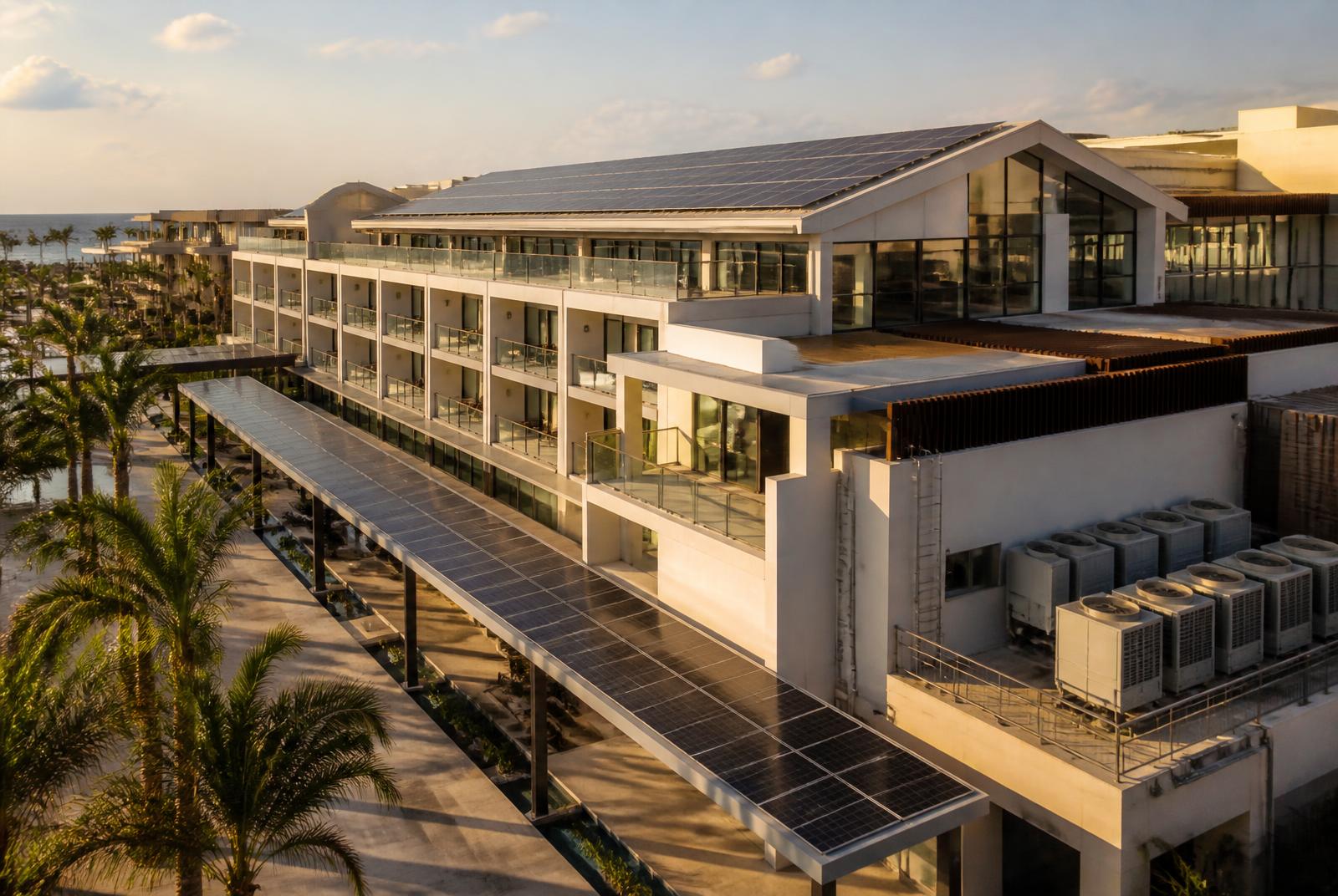
From light-commercial to larger commercial environments
Solar Hybrid Air Conditioning can be evaluated across different application environments — from light-commercial properties to hospitality, commercial and institutional facilities. System configuration depends on the cooling requirement, electrical conditions, available solar resource and project-specific requirements.
From application review to international supply
ANDES supports customers evaluating Solar Hybrid Air Conditioning through application review, product selection, commercial quotation, international sourcing and supply coordination.
Project requirement
Application review
Equipment selection
Commercial quotation
International supply coordination
Planning a Solar Hybrid A/C project?
Tell us about your application and market. ANDES can evaluate available configurations based on cooling requirements, electrical conditions, solar resources, quantity and destination.
- Destination country
- Cooling capacity required
- Electrical voltage
- Frequency
- Application type
- Quantity
- Existing or planned solar PV
- Project schedule